





For many of us in Houston, the upcoming arrival of spring isn’t just about wildflowers and walks in the park- it’s also about navigating the discomfort of itchy watery eyes, sneezing, and sniffling. With the constant exposure to a variety of allergens like pollen, it can be hard to pinpoint what’s triggering your or your child’s symptoms! If over-the-counter medications and home remedies just aren’t working, it might be time to consider allergy testing. Today we’re partnering with Dr. Grant Pickett, an allergist at Allergy & ENT Associates, to bring you all the information you need to know about allergy testing.
 What is Allergy Testing?
Allergy testing is a way to identify specific allergens that trigger allergic reactions in your immune system. By pinpointing the specific triggers, you can take targeted steps to treat them, reducing those sneezes and itches and improving your quality of life.
After testing, your allergist will help you create a plan to manage your allergies. This may include changes around the home, medications, or treatments like allergy shots or sublingual immunotherapy. Treating allergies early can prevent symptoms from becoming severe, as early intervention is often more effective than trying to manage them mid-season.
According to Dr. Pickett, you can start allergy testing at any age! “For kids under two, I generally just do allergy testing for foods. Children don’t tend to develop allergies to dogs, cats, and pollen until they’re over two years old.”
There are three different types of tests used to determine your allergies. For the most part, it’s a quick and easy test and your doctor will help you determine which test is right for you. The goal is to get clear and reliable results to help identify the cause of your symptoms.
Skin Prick Test
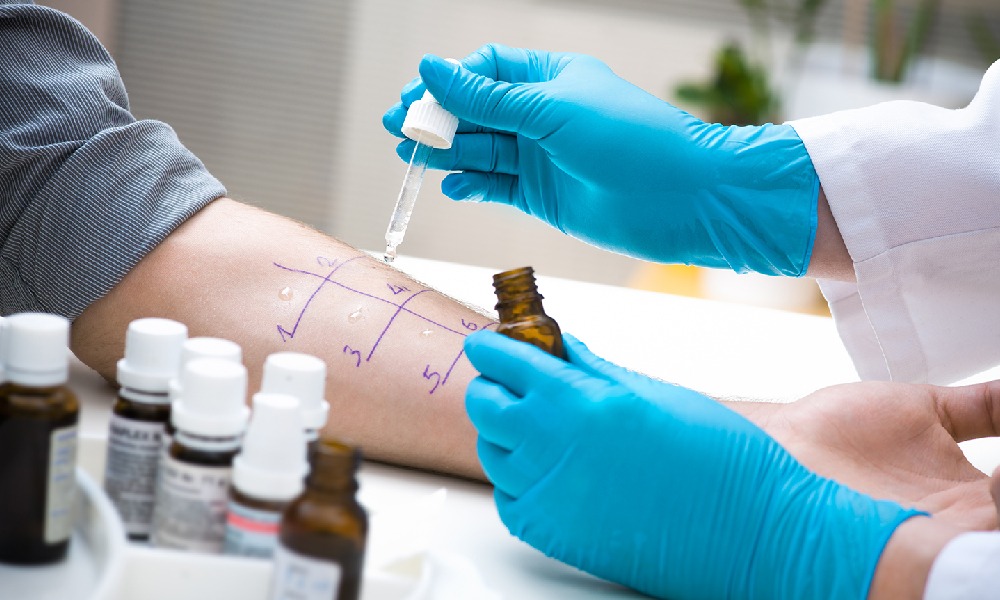 This is the most common form of allergy testing. A small amount of the allergen is placed on your skin (usually on your forearm or back) followed by a tiny prick or scratch to allow the allergen to enter your skin. If you’re allergic to the substance, a small bump or hive will develop within 15-20 minutes. This method is safe, reliable, and highly sensitive but may cause minor itching or discomfort.
Dr. Pickett says, “For food and air allergens, we use skin pricks. It’s a plastic device with small teeth on the end that makes little scratches without breaking the skin. It’s similar to a fingernail type of scratch. It doesn’t hurt, it just causes itching for whatever they’re allergic to.”
Intradermal Test
The intradermal test involves injecting a small amount of allergen solution under the skin. This test is more sensitive than the skin prick test and is used when other tests are inconclusive or when testing for specific allergens, like insect venom or medications.
Blood Test
A blood test can measure the levels of allergy antibodies in the blood. This is useful if you have a skin condition that could interfere with skin testing or if other tests are impractical for you. While less sensitive than skin testing, it can still provide valuable information.
According to Dr. Pickett, “We can do blood testing for foods and environmental allergies. We prefer the skin test, it’s more sensitive to picking things up than the blood work. You also get a result the same day versus going to a lab and getting blood drawn before coming back a week or two later to go over the results. With an allergy skin test, you can get the testing done and a plan in place all in one visit versus having to space it out like you do with blood work.”
Preparing for Your Allergy Test
 Before your appointment, there are a few things you should keep in mind to ensure accurate results. Make sure to avoid antihistamines! Some allergy medications can interfere with test results, so avoid antihistamines for a certain period before your appointment. Your doctor will provide instructions on when to stop taking them.
Stay hydrated! Drink plenty of water in the days leading up to your appointment to ensure your skin is well-hydrated for the skin prick test.
Who Should Get Tested for Allergies?
Dr. Pickett says that everyone can benefit from allergy testing, and if you suspect food allergies- come in and talk to him about it. “For food allergies, the biggest part of the diagnosis is the history. The testing for food allergies is really used to confirm. For environmental, aero allergens, everyone should get tested. Some people just want to know, and that’s fine. Anyone who is interested in doing aero allergen testing, my personal take is that we should do it.”
Call Allergy & ENT Associates Today
 Dr. Pickett is a dad who loves working with kids and patients at the Allergy & ENT Associates River Oaks Location. In addition to their River Oaks location, they also have 17 Houston area locations and would love to help you manage your allergies this spring. Call Allergy & ENT Associates today to schedule an appointment!
 Website