





Keeping our families safe and protected is a huge priority for Houston moms. We all want to do what we can to educate ourselves on the risks and dangers associated with living everyday life. For example, carbon monoxide is a poisonous gas that is a by-product of appliances such as generators, gas heaters, charcoal grills or car engines- all things we use regularly. Carbon monoxide is an odorless, tasteless, colorless gas that can be deadly if inhaled. Each year, over 100,000 people visit the emergency room because of carbon monoxide poisoning. What can Houston moms do to protect their families and prevent carbon monoxide poisoning in their homes?
Each year, over a million cases of carbon monoxide poisoning are reported worldwide, making it one of the most common forms of poisoning,” said Dr. Analysa Gallegos, chief of emergency medicine at The Woman’s Hospital of Texas. “Following weather events such as hurricanes and winter storms, we see an increase in patients seeking care for
possible carbon monoxide poisoning due to the increased use of portable generators.” In the aftermath of a storm or other weather-related emergency that causes a power
outage, a generator can provide immediate relief. But using it incorrectly can also lead
to injury or death.
Symptoms of a Silent Killer
 Carbon monoxide is often referred to as the “silent killer” as the gas often goes undetected. It can be especially dangerous while an individual is asleep. Symptoms of carbon monoxide poisoning are also hard to identify as symptoms often mimic the flu, food poisoning, heart disease and other illnesses.
“Patients may complain of headache, dizziness and, in more severe cases, experience
confusion, seizures or loss of consciousness,” Dr. Gallegos says.
Additional symptoms of carbon monoxide poisoning can include:
-Shortness of breath
-Chest discomfort
-Abnormal heart rhythms and heart attacks
In addition to checking your heart rate and oxygen levels, a blood test can be performed
in the emergency department to determine if a patient has carbon monoxide poisoning.
Once confirmed, Dr. Gallegos explains that getting the patient on 100 percent oxygen is
important.
“Because breathing carbon monoxide affects the body’s organs, it’s important that we
immediately get pure oxygen into your system to prevent any long-term effects on your
body,” says Dr. Gallegos.
If you suspect you or your loved one has been exposed to carbon monoxide, call 9-1-1
and go outdoors. If it’s unsafe to go outdoors, open a door or window and stay close to
it so you breathe in fresh air rather than carbon monoxide fumes.
“If possible, turn off any likely sources such as space heaters and generators before
leaving the house then call the fire department to inspect the home,” says Dr. Gallegos.
“It’s important to have a qualified professional inspect your home before returning to
ensure no ongoing carbon monoxide exposure is present.”
How to Reduce Your Risk of Carbon Monoxide Poisoning
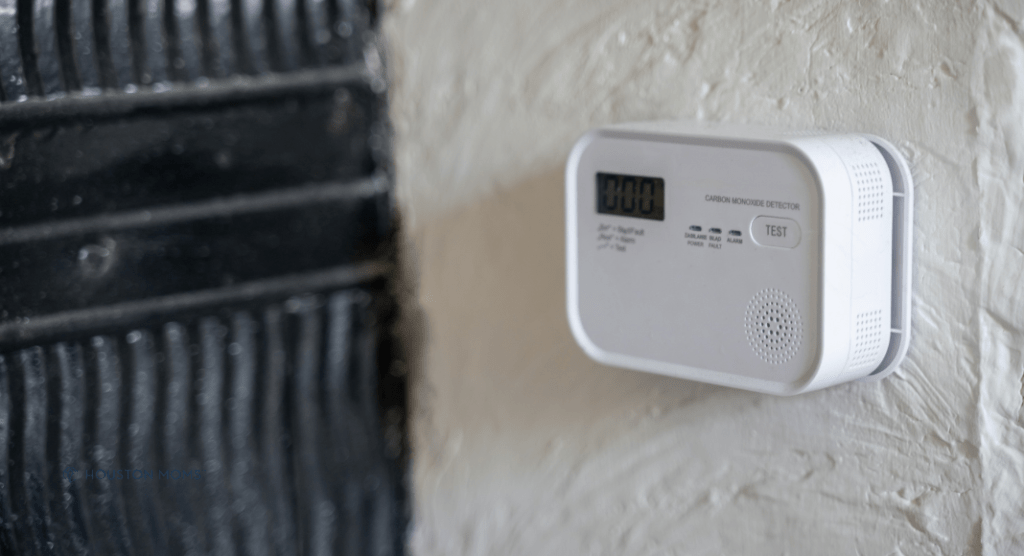 You can reduce your family’s risk of carbon monoxide with a few small steps.
According to Dr. Gallegos, the easiest way to protect your family from carbon monoxide exposure is to install carbon monoxide detectors in your home.
To further protect your family from carbon monoxide exposure, remember:
-Do not start or idle gas lawn mowers, cars, trucks, or other vehicles in an
enclosed area, even with the garage doors open.
-Do not use a charcoal or gas grill inside your home
-Do not use a gas oven for heat inside your home
-When using gasoline-powered generators to supply electricity, keep the
generator a safe distance away from the home
It simply cannot be overstated how crucial it is to learn the hidden dangers associated with the appliances and machines we use to make our lives more comfortable. Thank you to The Woman’s Hospital of Texas for this valuable information.