



Every September, Facebook becomes filled with profile pictures framed in gold ribbons as families and supporters show their love for Childhood Cancer Awareness Month. For my family, this month is personal. My oldest son, RJ, was diagnosed with Rhabdomyosarcoma, a childhood cancer, at the age of 2.5 years old. It wasn’t until I sat with our medical team discussing percentages that I pray you never have to hear, that I realized how underfunded, overlooked and ignored childhood cancer is in America.
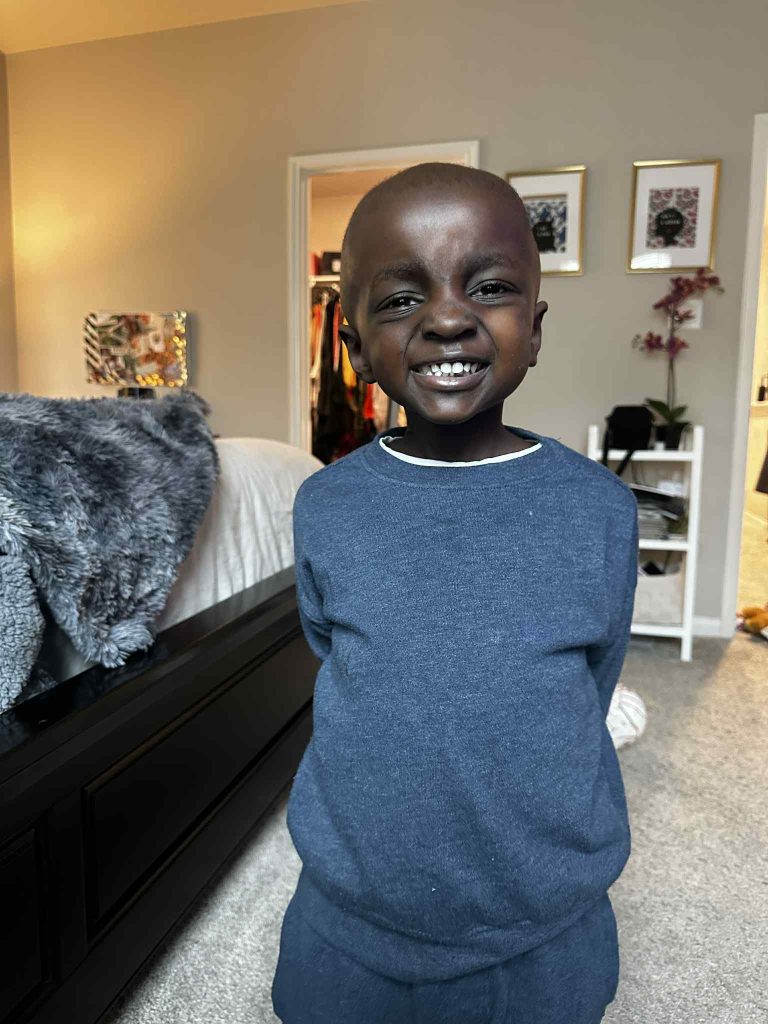 When RJ was diagnosed, they called it ‘rare’—but in the infusion room at Texas Children’s, nothing about childhood cancer feels rare. In fact, each year in the U.S. alone, nearly 17,000 children are diagnosed with cancer. Behind every statistic is a child like RJ, with a family who loves them and a future worth protecting. We all want nothing more than to see our children grow, dream, and thrive.
However, too many families are forced to rely on treatments that are outdated, extremely toxic and designed for adults. These treatment options are limited and include harsh chemotherapy, damaging radiation, and multiple surgeries that leave a laundry list of lifelong effects on young bodies: learning difficulties, organ damage, infertility, stunted growth, and other health struggles that last long after these kids ring the bell and leave the hospital.
A Future with Safer, Smarter Options
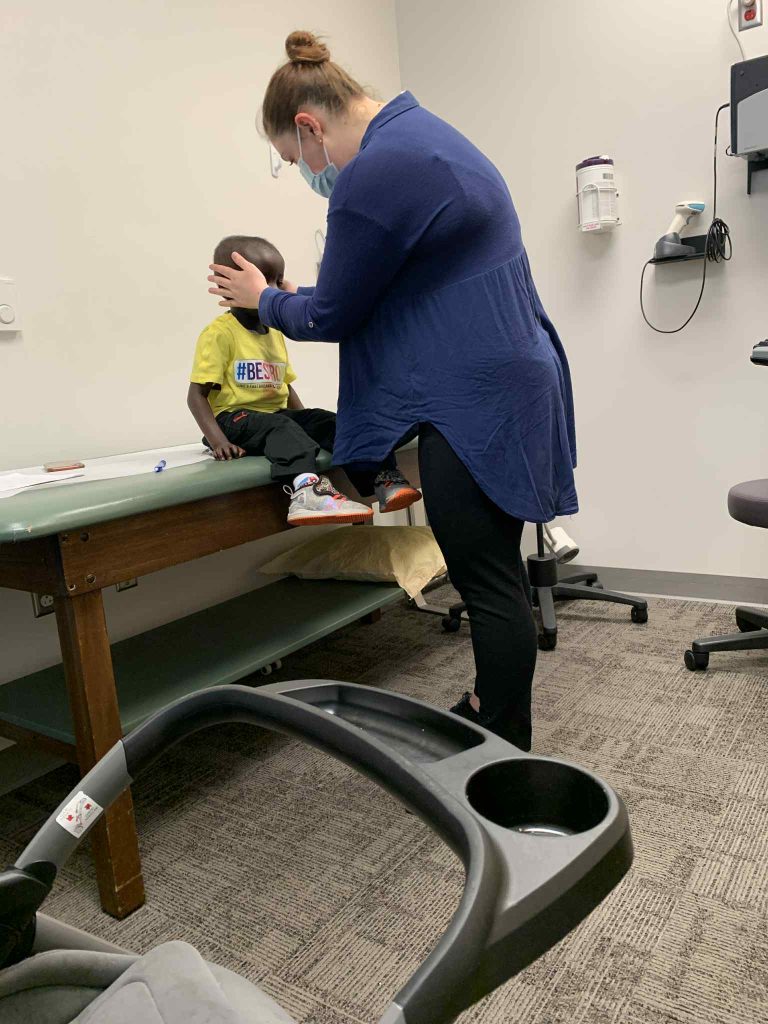 I once heard someone say, awareness without action is an empty promise. What we desperately need more than ever are new protocols and more promising clinical trials. Childhood cancer clinical trials provide hope for families like mine. For instance, one of the most promising advances in cancer treatment is CAR T-cell therapy, which reprograms a patient’s own immune cells to target cancerous cells. Thanks to clinical trials, this therapy has been life-changing for those battling leukemia when nothing else worked.
Funding for clinical trials is essential but includes a number of entities to make it all work together. For RJ, our family has been blessed to live in Houston, where Texas Children’s Hospital offers clinical trials that aren’t available everywhere. These trials have given him access to new therapies—opportunities that many families in other parts of the country never get.
But access to trials shouldn’t depend on where you live, whether your family can travel or if the current government regimen cares about the lives of children. No matter their location, diagnosis type or parent’s political affiliation–all kids deserve more.
Clinical trials are more than just science; they are hope. They give kids a fighting chance when standard treatments fall short. Awareness is important, but awareness alone doesn’t save lives. Research does.
How You Can Make a Difference
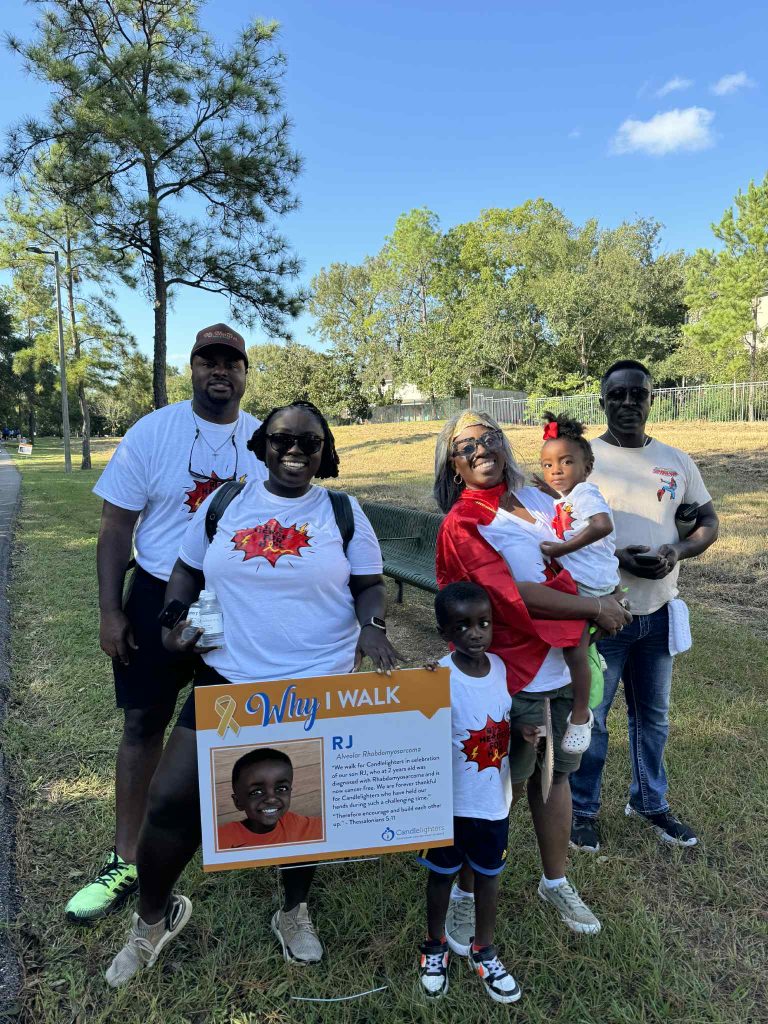 This Childhood Cancer Awareness Month, let’s remember that awareness is just the beginning. Real change comes when awareness turns into action. Here’s how you can help:
-
Use Your Voice: Contact your lawmakers and encourage them to support funding for childhood cancer research.
- Contact your Congressional leaders and urge them to support the Congressional Childhood Cancer Caucus and vital funding bills.
- Join groups like the Alliance for Childhood Cancer to make your voice louder—because our kids deserve more than ribbons, they deserve research, trials, and a real chance at cures.
-
Support Innovation: Donate to organizations investing in safer, less toxic therapies for kids. Here are a few organizations to keep in mind:
- Sky High for Kids is a nonprofit that directly funds childhood cancer research and clinical trials. They’ve pledged millions to advance immunotherapy, including support for the Sky High for Kids Immunotherapy Center at Texas Children’s Hospital and research at St. Jude Children’s Research Hospital. Since 2007, they’ve contributed over $20 million to groundbreaking projects that give kids access to innovative, life-saving treatments.
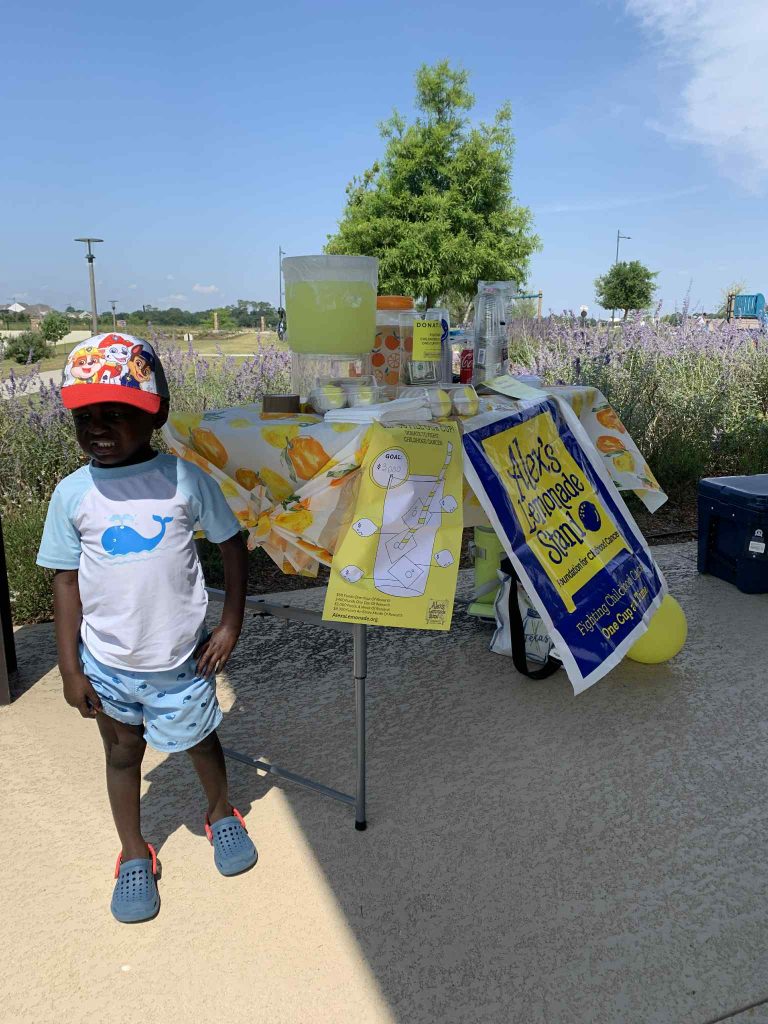
- Alex Lemonade Stand is a leading independent childhood cancer charity in the U.S., ALSF has raised over $300 million, funding more than 1,500 research projects to develop better treatments and ultimately cures for children with cancer.
This September, let’s rally together. Our kids need cures. With more research, more funding, and more advocacy, we can give them the fighting chance they deserve.